Technology and Innovation in Addressing Drug Addiction
The world is growing at a rapid speed in terms of technological advancements. Like every other field, addiction recovery is also something that can benefit from some of these technologies. These can be used to assess prevent, treat and assisst people in recovering from addiction. Technology can address serious gaps in our mental health ecosystem.
Internet-based recovery can make treatment much more accessible than ever before. This can make one-on-one conversations and sessions also more accessible. Personalised support is key in addiction management, and the access to phones and internet have increased accessibility to treatment overall. This can also help stay connected with patients and prevent droppouts in addiction treatment and also help manage relapse better.
Introduction
Technology has greatly impacted the healthcare feild ranging from pain management to advanced scanning machines. Healthcare research is rapidly seeing more developments with new drugs, devices and overall accessibility. Technology is likely to help make the process of recovery more comfortable and more impotantly, even help with early identification and prevention initiatives. First it can help people in rural areas get access to healthcare, allowing them to get appointments with doctors and specialists across the nation and get timely help and treatment.
Technological innovations can help personalise treatment plans by keeping a track of individual health data and optimising treatment outcomes. Digital tools can also help track health metrics on a regular basis which can aid in early detection of diseases and facilitate proactive intervention. This doesn’t just make the job of health care professionals easier but also enables patients to understand and take charge of their health information. This could also empower people in making more conscious healthy choices for themselves.
Health-based Apps
It is almost funny how there is an app for probably any thing you can think of. From shopping for groceries to watering a virual plant. Similarly there is a growing trend of all kinds of health-related applications becoming popular. Some of these apps are designed to help in managing drug and behavioral addictions in various ways.
Note that any mobile application for recovery support can not replace clinical treatment with a licensed mental health treatment provider. They can offer support in between sessions or assist with cravings. Or they may help with find support and connect you with a recovery community. Here are a few examples of such apps:
- Sober Grid: This app is like facebook but for people in recovery. You can connect with people, keep people updated about your recovery journey, and even track your progress.
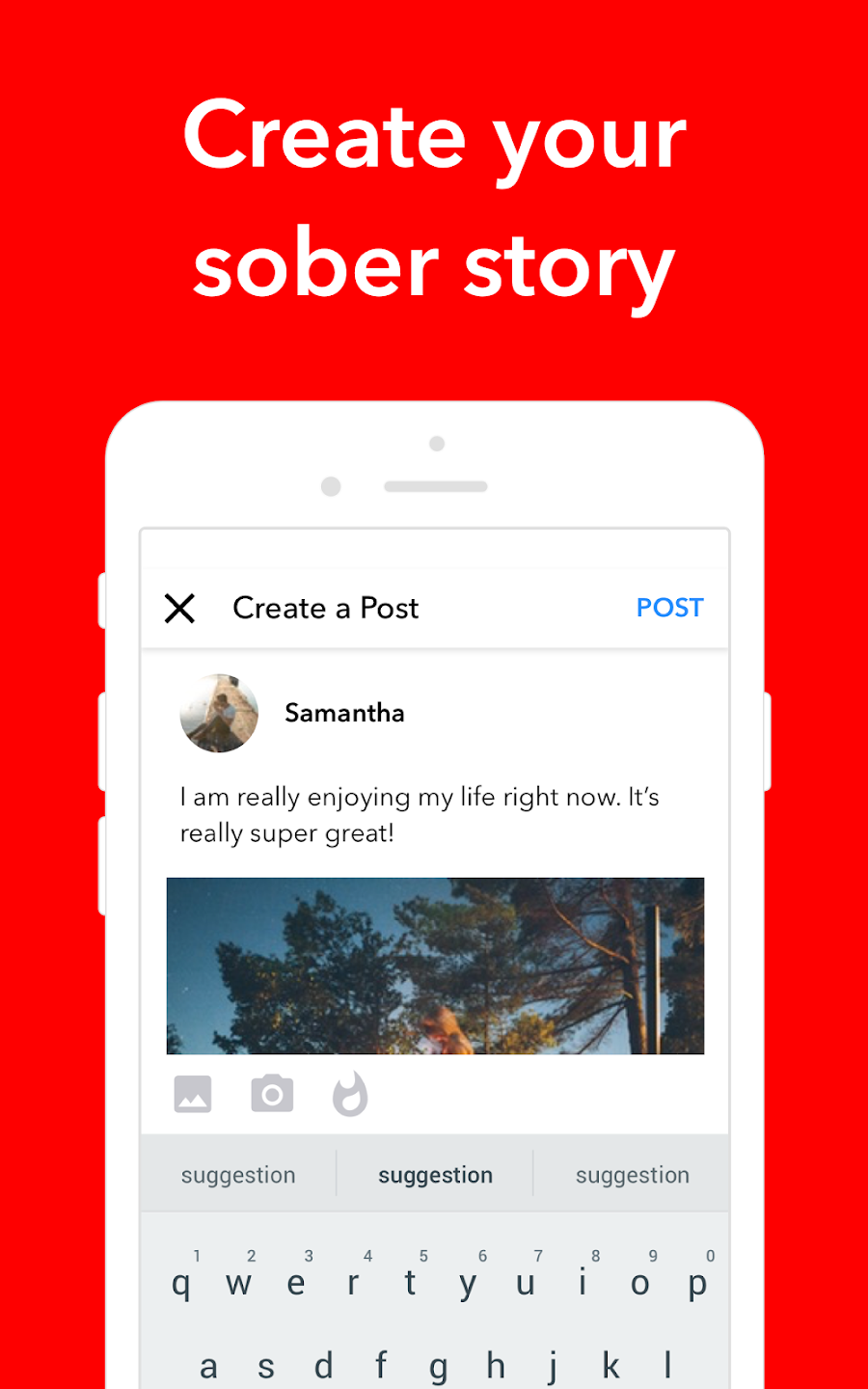
Source: Google Play
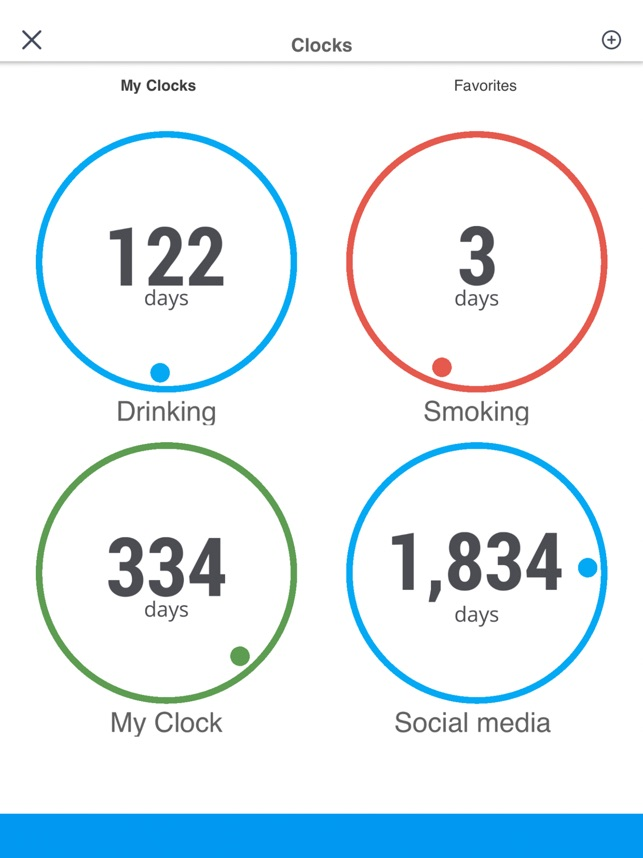
- Nomo – Sobriety Clocks: Nomo is a simple but really helpful app that helps you track the number of days you’ve been sober. It creates milestones and send you regular motivational messages to help you stay on track in your recovery journey. It can be very motivating to see a live counter for the number of days you’ve been sober.
- Twenty-Four Hours a Day: This is a simple app that shares daily reflections, prayers, and meditations for people in recovery. This can be an easy way to add some positivity in your day and to stay regular with your meditation practice.

- Recovery Path: It helps in setting goals, tracking your progress through them along with educational resources related to addiction and recovery. This can be useful for both drug and behavioral addictions.
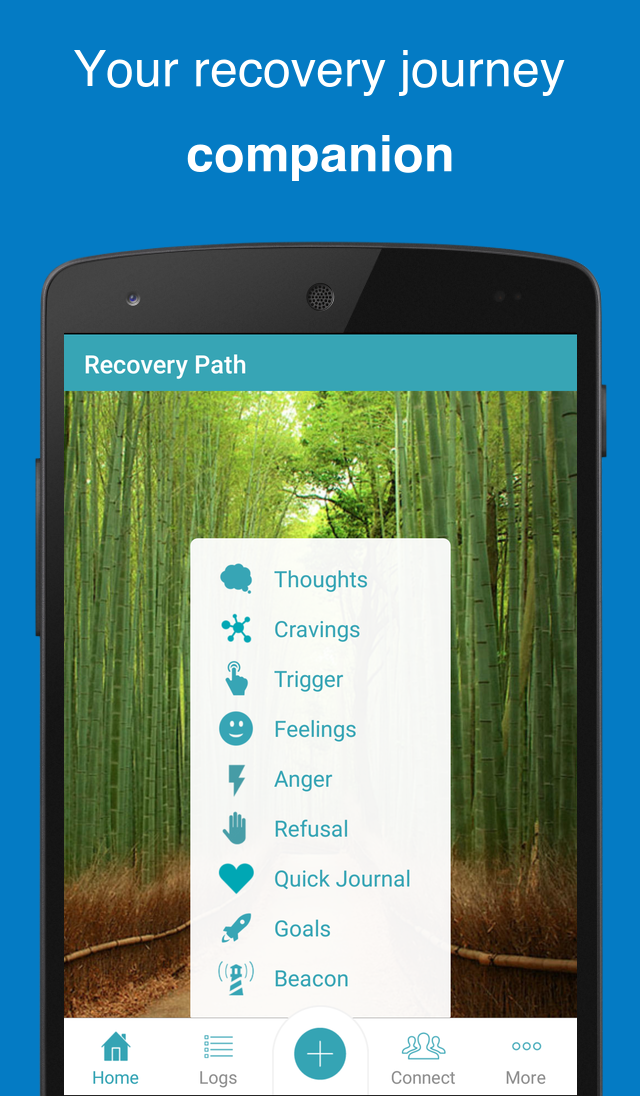
Source: Google Play
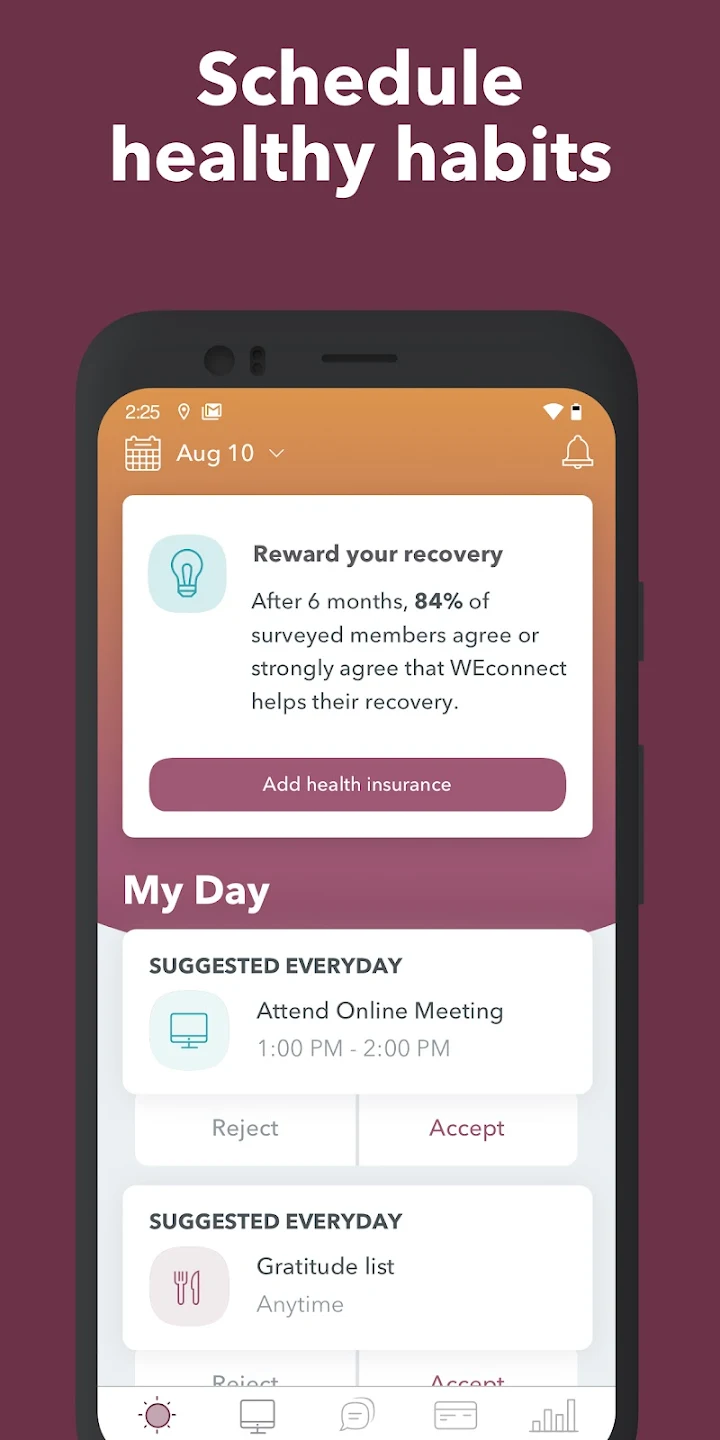
- WEconnect: WEconnect helps you keep a track of habits that can aid your recovery. This one isn’t just for people who are suffering from addiction but for anyone going through any mental health challenges. This app helps you build the person you want to be, one habit at a time.
Source: Google Play
Virtual Reality (VR) in Therapies
Virtual reality therapies are also a new and interesting development in the mental health feild. This can help stimulate various scenarios and environments relevant to addiction treatment. This can help prevent relapse or manage cravings in high-risk situations and help patients practice coping mechanisms, assertiveness skills, and relaxation techniques in real time in a safe and controlled environment.
VR can also be used in general for psychoeducation and improving motivation by providing an immersive experience of understanding the consequences of addiction. Overall, VR can be a powerful tool for addiction recovery making the therapeutic experience more engaging and safe.
Online Support and Telehealth
Post the COVID-19 pandemic there has been a significant growth in the number of telehealth service providers catering to mental health needs. One of the biggest government initiatives organised by NIMHANS was T-Manas (Tele-Mental Health Application for Normal At-risk and Suspected). T-Manas offers online sessions with psychiatrists, psychologists and counsellors through a helpline number making mental health support accessible to people in rural areas where there might not be a mental health professional. The long-term vision for T-manas said NIMHANS is to connect this virtual care to existing health institutions across India to provide multi-level health support to people.
There are many other privately owned platforms that offer anonymous online counselling like YourDOST. A few others include iCALL, a tele-counselling helpline that offers free support. There is also Amaha, that offers consultations with counsellors and psychiatrists. There are many more smaller organizations that offer tele-health services. Most psychologists today provide both in-person and online sessions.
Data Analysis and Tailored Treatments
Data analytics can help in creating personalised treatment plans based on genetic, health and behavioural data. Health is affected by various factors within a person’s life and has many components to eat. What you eat, where you stay, pollution, your sleep cycle and other factors affect and are affected by your hormones, sugar levels, protein levels, emotional health and overall physical health. There is a scope for many many data points that can give a rich picture of your health. This can aid in making healthcare decisions, early intervention, proper follow-ups of treatment and even preventive care.
Firstly, data analysis can help map out the genetic markers relevant to health and identify any predispositions for various disorders. This can also help in anticipating the prognosis, treatment reception and potential side effects or drug interactions likely to happen.
Secondly, behavioral data like tracking everyday habits, environmental factors, mood tracking, psychological assessments can all be analysed to create a unique health profile. This can be given new data on a daily or weekly basis which can help track your progress. It can also see the effect of a new treatment on your stress levels, sleep patterns, appetite, and energy levels. This can be extremely valuable information for personalising your interventions and improving the chances of recovery.
Wearable Tech for Monitoring Health Metrics
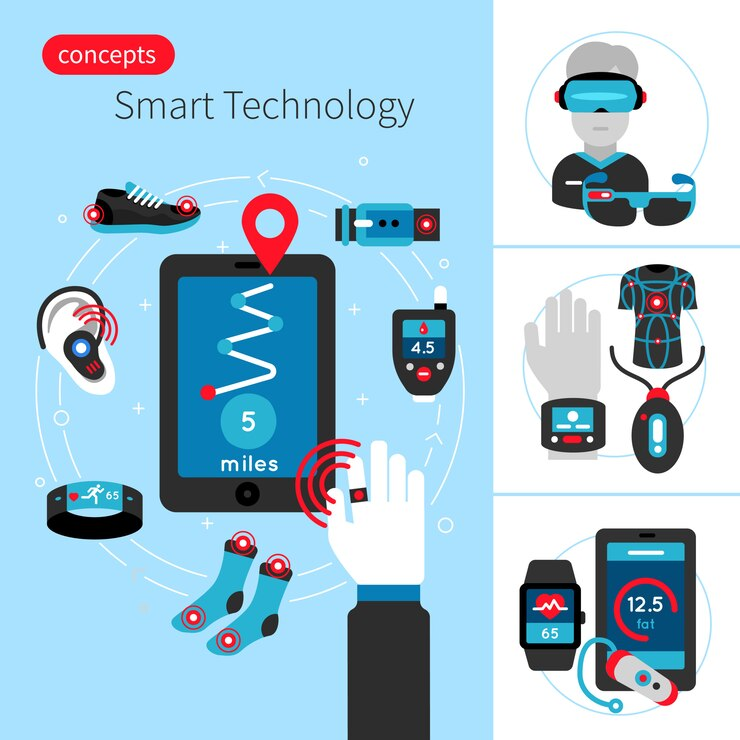
Many influencers are now seen wearing wearable tech for monitoring various health metrics. You may have seen influencers tracking sugar level, their energy level, activity level, and even their brain health. Here are a few examples,
- Fitness Trackers: Devices like Fitbit and Apple Watch track physical activity like number steps, workouts, and calories burnt to tracking your pulse rate and sleep patterns. They can encourage users to maintain a healthy lifestyle.
- Smart Clothing: New tech has also been introduced to your everyday garments like smart shirts or socks that have sensors that can track vital signs like heart rate, breathing and body temperature.
Designed by Freepik
- Blood Glucose Monitors: Wearable devices like continuous glucose monitors (CGMs) such as Dexcom and FreeStyle Libre track blood sugar levels in real-time, helping individuals with diabetes manage their condition more effectively.
- Blood Pressure Monitors: Some smartwatches and fitness bands, like the Withings Steel HR or Omron HeartGuide, can measure blood pressure and provide insights into cardiovascular health.
- Sleep Trackers: Devices such as the Oura Ring and SleepScore Max monitor sleep quality, duration, and stages, providing insights into sleep patterns and helping users improve their sleep hygiene.
These health-related wearable tech can be utilised for addiction management as well. For example, fitness trackers can monitor heart rate and give insight into level of stress. By tracking this activity people can identify triggers for anxiety, mood fluctuations or cravings improving self-awareness and assissting coping.
Wearable tech can also be used to learn relaxation and mindfulness in real-time. This is also known as bio-feedback or neuro-feedback. This can help people practice their coping mechanisms while receiving real-time feedback from their body.
AI and Machine Learning in Addiction Research
AI has already grown so much in the last few months, it has penetrated many different fields. In the future AI can help with diagnoses, determining treatment plans, identifying patterns and assessing risk factors. These models can also work with genetic health data and track behavioral patterns combined with input from environmental factors to get a 360 assessment of the patient. This can help in making personalised treatment plans.
These models can identify correlations between certain genetic markers, psychological profiles, social influences, and substance use behaviours. By understanding these complex relationships, AI in addiction treatment can generate predictive models that estimate the likelihood of addiction susceptibility and relapse for individuals.
Ethical Challenges
There are many challenges with it comes to tech in mental health and addiction treatment. Firstly, health is a very personal data that could be misused if not kept properly confidential. There is always a risk of unauthorised access, data breaches or sharing of personal data.
Data security is another critical issue, especially when dealing with sensitive health data related to mental health and addiction. Robust security measures must be in place to protect against cyber threats, hacking, and unauthorised data access. Failure to secure data can lead to privacy violations, identity theft, and misuse of personal health information.
Then there are other concerns regarding consent, autonomy, and the potential for bias in algorithms or decision-making processes. Since AI and tech is made by humans and uses human data to train itself, it isn’t free from biases. It’s crucial to ensure that technology is used ethically and transparently, with clear guidelines on data usage, informed consent, and accountability for algorithmic biases or errors.
Conclusion
Technology plays a crucial role in advancing mental health and addiction management by providing innovative tools and interventions that enhance access, convenience, and effectiveness of treatments. With each passing day, technology is evolving rapidly, offering new solutions such as teletherapy platforms, mobile apps for mindfulness and coping skills, wearables for monitoring, and AI-driven algorithms for personalised interventions.
As research in this field continues to expand, we can anticipate the development of even more sophisticated products and technologies that cater to individual needs and improve outcomes. However, it’s also vital to address the challenges associated with technology use by adhering to strict regulations, implementing robust encryption and security protocols, ensuring informed consent, and promoting ethical practices. By prioritising patient privacy, data security, and ethical standards, technology can be harnessed effectively to support mental health and addiction management initiatives.
Sources:
Bandawar, M., Narasimha, V. L., & Chand, P. (2018). Use of digital technology in addiction disorders. Indian Journal of Psychiatry/Indian Journal of Psychiatry, 60(8), 534.
Bell, I., Nicholas, J., Álvarez‐Jiménez, M., Thompson, A., & Valmaggia, L. (2020). Virtual reality as a clinical tool in mental health research and practice. Dialogues in Clinical Neuroscience, 22(2), 169–177.
Express News Service. (2022, February 4). T-MANAS to function as 24×7 tele mental health facility in states, UTs. The Indian Express.
Marsch, L. A. (2012). Leveraging technology to enhance addiction treatment and recovery. Journal of Addictive Diseases, 31(3), 313–318.
Thimbleby, H. (2013). Technology and the future of healthcare. Deleted Journal, 2(3), jphr.2013.e28.